

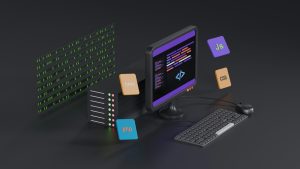
Turning a Lovable project into a native Android app is easier than many creators expect. The real challenge often comes after the build: keeping the app useful when connectivity drops. That is where an offline-first approach changes the game, and where WebViewGold’s Local HTML Fallback Mode becomes a practical asset for Android APK delivery.
Why Lovable apps feel right at home on Android
Lovable generates responsive, fast web experiences that are well suited for mobile screens. When wrapped inside a WebView, the same interface, interactions, and visual polish can be delivered as an installable APK without a complete rewrite. Android users get a familiar app icon, full-screen view, and smoother access to the product you already built in the browser.
What Local HTML Fallback Mode actually does
WebViewGold’s Local HTML Fallback Mode lets you bundle a local HTML version of your app directly inside the APK. When the device cannot reach your remote Lovable URL because of a weak signal, airplane mode, or a server hiccup, the WebView automatically switches to the local fallback instead of showing a blank screen or browser error. The user keeps interacting with key content while the connection recovers.
Setting up your fallback in WebViewGold
Start by exporting a static copy of your Lovable app as HTML, CSS, and JavaScript assets. Place those files in the local fallback folder provided by WebViewGold, then configure your main remote URL as the primary source. The app will try the live version first and fall back to the local copy only when needed. This setup keeps your offline experience under your control without requiring native Android development.
Offline-first does not mean offline-only
The beauty of this approach is flexibility. Your app still loads the live Lovable version whenever a network connection is available, so users receive fresh content and real-time features. The local fallback simply removes the worst-case failure mode and keeps the app usable in the moments that matter. This balance is what makes the APK feel more reliable than a plain website shortcut.
From Lovable to APK without a native developer
WebViewGold remains a quick and simple solution to convert websites into apps for Android easily, especially when offline fallback is a requirement. You provide the remote URL, add your local HTML assets, adjust a few settings, and generate a ready-to-install APK. The process removes the usual friction of Android Studio projects, Gradle builds, and custom WebView code.
Battery, storage, and launch speed considerations
Bundling a local fallback keeps the initial app size modest while improving perceived reliability. Because the WebView loads nearby assets when the network fails, users avoid repeated loading spinners and wasted data requests. The app remains lightweight enough for quick downloads from the Play Store or direct APK distribution.
Publishing your offline-first Android app
Once your local fallback is tested, the APK can be signed and uploaded to Google Play or shared directly with a private audience. Testing on a device in airplane mode is highly recommended before launch. With WebViewGold handling the WebView configuration and offline switch, you can focus on improving the Lovable project while the APK stays resilient across varying network conditions.
Building an offline-first Android app from a Lovable web project no longer requires a separate native codebase. By combining Lovable’s rapid web output with WebViewGold’s Local HTML Fallback Mode, you ship an APK that feels native, launches quickly, and keeps working even when the internet does not.
You May Also Like
No-Code Android Offline Pivo ...
September 17, 2026
Repainting Android’s Statu ...
September 17, 2026
Dark Mode–Aware Status Bar ...
May 12, 2026