Optimizing iOS WebView Apps for Offline Functionality with Local HTML Fallback Using WebViewGold

In today’s mobile-first world, users expect apps to work seamlessly even when an internet connection is unstable or unavailable. For businesses and developers converting their websites into iOS apps using WebView technology, ensuring robust...

Pull to Refresh in Android WebView Apps: Implementing Smooth User-Initiated Updates with WebViewGold

Understanding Pull to Refresh in Android WebView Apps The popularity of mobile apps continues to soar, and having a seamless web-to-app experience is crucial for user satisfaction. One of the most intuitive features users...

Optimizing Offline User Experience in iOS WebView Apps: Leveraging Local HTML Fallbacks and Auto-Reconnect with WebViewGold

Today’s users expect mobile apps to deliver a seamless and responsive experience regardless of network conditions. However, iOS WebView apps, which render websites within a native app container, can often present blank screens or...

Implementing Offline-First Android Apps with WebView: Leveraging Local HTML Fallbacks for Flawless User Experience

Understanding the Offline-First Approach in Android Apps In today’s fast-paced digital world, users expect seamless app experiences—regardless of their connectivity status. An offline-first strategy ensures that your Android app remains robust and user-friendly even...

Enhancing Android WebView Apps with Offline-First Local HTML Fallback Using WebViewGold’s Switch Mode

For many app developers and businesses, transforming a website into an Android app is a fast way to gain mobile presence and offer users enhanced accessibility. However, one persistent challenge is maintaining a seamless...


Implementing Native Face ID Authentication for Sensitive Web App Sections in iOS WebView Apps with WebViewGold

Introduction In an era of rising online security threats, safeguarding sensitive sections of your web app is more crucial than ever. Face ID authentication, a secure biometric technology available on modern iOS devices, offers...

Implementing Offline Mode in Android WebView Apps: A Deep Dive into Local HTML Fallback Strategies Using WebViewGold

Introduction: Enhancing Android WebView Apps with Offline Mode Mobile users expect seamless experiences, even when their internet connection is unstable or unavailable. For Android WebView apps—which simply display web content within an app—network issues...

Elevating iOS Web App Security with Bio Authentication: Enabling Face ID and Touch ID in WebView-Based Swift Apps

Elevating iOS Web App Security with Bio Authentication: Enabling Face ID and Touch ID in WebView-Based Swift Apps The Rising Need for Enhanced Web App Security on iOS Mobile web applications are increasingly handling...

Building an Android WebView App with Robust Offline Access: Implementing Local HTML Fallback and Auto-Reconnect Using WebViewGold

Introduction: The Importance of Reliable Offline Access in WebView Apps In our ever-connected digital world, users expect mobile apps to work smoothly—even when their devices lose connectivity. When building an Android WebView app, ensuring...

How to Implement a Custom Offline Fallback with Local HTML Content in iOS WebView Apps Using WebViewGold

Introduction: Enhancing User Experience with Offline Fallbacks Relying on web content within iOS apps is common, but what happens when users lose their internet connection? Blank screens and error messages interrupt the experience and...

Enhancing Android WebView Apps with Offline-First User Experience Using Local HTML Fallback and Smart Cache Mechanisms

Introduction: Improving User Experience in Android WebView Apps Android’s WebView is a powerful component that enables developers to turn web content into interactive mobile apps. However, one of the most common challenges is ensuring...

How to Implement Offline-First iOS WebView Apps with Automatic Fallback to Local HTML Using WebViewGold

In today’s mobile landscape, users expect seamless access to content—regardless of their internet connectivity. Building web-based iOS apps with offline support can be a challenge, especially if you want to ensure your app remains...

How to Implement an Offline-First Android WebView App with Local HTML Fallback Using WebViewGold

Why Offline-First Matters for Android Apps In today’s mobile world, users expect their favorite apps to work seamlessly—even when they lose internet connectivity. A robust offline-first approach empowers your Android app to provide a...

Boosting User Retention in iOS WebView Apps with Custom Offline Screens and Auto-Reconnect Logic Using WebViewGold

Why User Retention Matters in iOS WebView Apps User retention is a defining factor for the success of any mobile application. For iOS WebView apps, retaining users can be particularly challenging due to factors...

Building a Powerful Offline-First iOS WebView App: Leveraging Local HTML Fallback and Smart Cache with WebViewGold

In an age where seamless connectivity can’t be guaranteed, users expect their apps to work flawlessly—even when internet access is spotty or unavailable. Building an offline-first iOS WebView app is a smart way to...

Creating a Smart Offline Experience in Android WebView Apps: Leveraging Local HTML Fallbacks with WebViewGold

Introduction: The Challenge of Offline Access in Android WebView Apps In today’s digital landscape, an uninterrupted user experience is crucial for the success of any mobile application. However, users often find themselves in situations...

Enhancing iOS In-App Purchases in WebView Apps: Integrating WebViewGold’s Subscription API for a Frictionless User Experience

Introduction to In-App Purchases in WebView Apps As mobile applications continue to evolve, user expectations for seamless digital experiences are higher than ever. For businesses and creators offering premium content or services through their...

Implementing Offline-First Web Apps on iOS: Leveraging Local HTML Fallbacks in Swift with WebViewGold

Developing for the mobile web has evolved rapidly, with users now expecting seamless functionality even when their devices are offline or suffering from intermittent connectivity. An offline-first web app ensures that your users enjoy...

Implementing Offline Mode in Android WebView Apps with Local HTML Fallback Using WebViewGold

In today’s mobile-first world, users expect uninterrupted access to their favorite apps even when the internet connection is unstable or unavailable. For developers converting websites into Android apps using WebView technology, this challenge can...

Offline-First iOS WebView Apps: How to Implement Robust Local HTML Fallbacks for Uninterrupted User Experiences with WebViewGold

Introduction: The Importance of Offline-First Strategies in iOS WebView Apps In our ever-connected world, reliable internet access might seem like a given. Yet, even the most robust networks can fluctuate, and users may find...

Enhancing Android Web Apps with Offline Fallback: Leveraging Local HTML Content in WebViewGold for Flawless User Experiences

The Importance of Offline Functionality in Android Web Apps In our always-online world, a seamless web experience is usually taken for granted. However, network interruptions and spotty connections are still common, especially for mobile...

Enhancing iOS WebView Apps with Offline Fallback: Implementing Smart Local HTML Folder Support Using WebViewGold

Understanding the Need for Offline Fallback in iOS WebView Apps In a world that is continually connected, it’s easy to overlook those moments when internet connectivity drops, whether due to travel, poor signal, or...

Implementing Offline HTML Fallback in Android WebView Apps: Enhancing User Experience with Automatic Mode Switching

Introduction: The Rise of WebView Apps and the Importance of Offline Support With more users relying on mobile apps for seamless access to their favorite websites, Android WebView applications have become an essential tool...

Creating a Personalized Offline Experience in iOS WebView Apps: Leveraging Local HTML Fallbacks and Smart Cache with WebViewGold

Building a reliable and engaging app for iOS users often hinges on how well it performs under less-than-ideal conditions, such as poor connectivity or complete lack of internet access. Many apps, particularly those using...

How to Implement a Smart Offline Fallback Mode in Android WebView Apps Using WebViewGold’s Local HTML Folder Feature

Why Offline Fallback Matters for Android WebView Apps Today’s users expect mobile apps to work seamlessly, even when their devices aren’t connected to the internet. If your Android WebView app only displays a blank...

Implementing Offline-First iOS Web Apps: Leveraging Local HTML Fallback and Smart Caching with WebViewGold

Introduction to Offline-First iOS Web Apps With mobile connectivity fluctuating between strong LTE signals and spotty Wi-Fi in many real-world situations, ensuring a seamless user experience regardless of network quality is crucial for app...

Implementing Pull-To-Refresh in Android WebView Apps: Best Practices for Website-to-App Conversions Using WebViewGold

Why Pull-To-Refresh Matters in WebView Apps When users browse content-rich applications on their mobile devices, they expect a seamless and native-like experience. One essential feature that’s become standard across many Android apps is pull-to-refresh—the...

Enhancing User Trust and Security in iOS WebView Apps with Face ID and Touch ID Integration Using WebViewGold

Introduction: The Importance of Trust and Security in iOS WebView Apps With mobile devices being an essential part of everyday digital experiences, users expect effortless access to web content, coupled with robust security. For...

How to Implement Offline-First Web Apps on Android Using WebViewGold’s Local HTML Fallback Mode

Understanding Offline-First Web Apps As the world becomes increasingly mobile, users expect their apps to be available and functional even when their network connection isn’t perfect. This trend has given rise to the offline-first...

Creating an Offline-First iOS WebView App: Using Local HTML Fallbacks and Smart Cache with WebViewGold

More users expect seamless access to content wherever they are, regardless of internet connectivity. For web-based iOS apps, spotty connections can turn a great experience into frustration. Adopting an offline-first approach not only ensures...

Building an Android WebView App with Offline HTML Fallback: A Step-by-Step Implementation Guide Using WebViewGold

Introduction In today’s fast-paced digital landscape, businesses and content creators are seeking reliable ways to make their websites available on mobile platforms. One common approach is wrapping a website into a native Android app...

Leveraging App Tracking Transparency in iOS WebView Apps: A Deep Dive into User Tracking Decision APIs with WebViewGold

When Apple introduced App Tracking Transparency (ATT), it redefined how apps interact with user data. ATT requires apps to get explicit permission from users before tracking their activity across other companies’ apps and websites....

Building an Android App That Works Offline: Leveraging WebViewGold’s Local HTML Fallback for Flawless User Experience

Introduction: The Importance of Offline Functionality in Android Apps In today’s digital landscape, users expect instant access to information anytime, anywhere. Yet, there are still scenarios where internet connectivity can be unreliable or even...

How to Implement Offline Fallback with Local HTML Assets in Your Android WebView App Using WebViewGold

Introduction: Enhancing User Experience with Offline Fallbacks In today’s mobile-first world, users expect seamless access to app content, even when they are offline or facing patchy internet connections. For Android apps built using WebView,...

Building a Custom Offline-First iOS WebView App: Leveraging Local HTML Fallback and Smart Caching with WebViewGold

Introduction to Offline-First iOS WebView Apps Today’s mobile users expect seamless experiences, even when their devices go offline or face spotty internet connectivity. For businesses and developers, this means embracing an offline-first approach. If...

Implementing Offline-First Android WebView Apps: Using Local HTML Fallback for Smooth User Experience with WebViewGold

Introduction to Offline-First Android WebView Apps In today’s mobile-centric world, users expect their apps to deliver a seamless experience regardless of internet connectivity. However, web-based apps powered by Android WebView often stumble when faced...

How to Implement Offline-First iOS WebView Apps with Local HTML Fallback Using WebViewGold

In today’s mobile-centric world, users expect their apps to function seamlessly, even when network connectivity is unreliable. An offline-first approach ensures a smooth user experience by allowing users to access critical features and content...

Leveraging Android WebViewGold’s Pull To Refresh Functionality for Enhanced User Experience in Progressive Web App Conversions

In the rapidly evolving world of mobile development, Progressive Web Apps (PWAs) have become an essential solution for businesses aiming to deliver seamless web-based experiences on Android devices. However, transforming a website or PWA...

Creating an Offline-Ready iOS WebView App: Leveraging Local HTML Fallbacks and Smart Cache with WebViewGold

In today’s mobile-first world, users expect seamless experiences from their apps—even when they encounter spotty or unavailable internet connections. If your iOS web app does not provide an offline fallback, users may be greeted...

Animating Custom Splash Screens with GIF Support in Android WebView Apps Using WebViewGold

The splash screen is often your app’s first chance to engage and impress users. A static image can work perfectly fine, but what if you could add a little extra flair? Animating your splash...

Optimizing iOS WebView App Reliability: Implementing Smart Offline Fallbacks with Local HTML Folders Using WebViewGold

Introduction: The Importance of Reliability in iOS WebView Apps In today’s always-connected world, we sometimes forget about the moments when an internet connection is unavailable or unreliable. Users expect apps to deliver a seamless...

Implementing Custom Offline Screens and Auto-Reconnect in Android WebView Apps Using Local HTML Fallback with WebViewGold

Why Custom Offline Screens Are Essential in Android WebView Apps In today’s connected world, users expect seamless experiences from their mobile apps. However, network interruptions and connectivity issues are still common, especially when using...

How to Enable Offline-First Web Apps in iOS Using WebViewGold’s Local HTML Fallback Mode

Introduction to Offline-First Web Apps on iOS In today’s digital landscape, users expect seamless experiences from their web apps, even in unreliable or offline network conditions. Whether it’s an e-commerce platform, a news portal,...

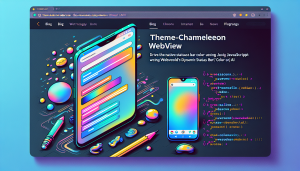
Implementing Dynamic Status Bar Color Changes in Android WebView Apps Using JavaScript and WebViewGold

Introduction In today’s mobile-first world, creating seamless user experiences across devices is a top priority for developers. One common need is to adapt the appearance of your app to match your brand or content....

How to Enable Native Face ID Authentication for Secure WebView Logins in Your iOS App with WebViewGold

Introduction to Secure WebView Logins Securing user authentication has become a critical factor in modern mobile app development. With the increased need for both convenience and robust security, biometrics has emerged as a preferred...

Implementing a Custom Offline Fallback Experience in Android WebView Apps Using Local HTML with WebViewGold

Introduction As more businesses and content creators turn to mobile apps for better user engagement, one challenge remains universal: ensuring a smooth user experience even when the internet connection is lost. For Android apps...

Implementing Smart Offline Handling in iOS WebView Apps: Switching Between Local HTML Folders and Remote URLs with WebViewGold

Delivering a seamless user experience is essential when creating an iOS app that relies on web content. A key challenge many developers face is ensuring their apps work smoothly even when the device has...

Implementing Pull-to-Refresh in Android WebView Apps: Enhancing User Experience with Modern UI Patterns Using WebViewGold

Understanding Pull-to-Refresh in Android Apps Modern mobile apps are expected to deliver not just content, but a seamless and intuitive user experience. One of the most popular UI patterns that fulfills this expectation is...

Elevating Offline User Experience in iOS WebView Apps: Implementing Local HTML Fallback with Automated Reconnection and Custom Splash Screens Using WebViewGold

Understanding the Offline Challenge in iOS WebView Apps For developers turning modern websites into iOS apps, ensuring reliable user experiences even in fluctuating or lost connectivity is a pivotal concern. Users expect apps to...

Implementing Offline-First Android Apps: Leveraging WebViewGold’s Local HTML Fallback and Smart Caching for Flawless User Experience

Introduction: The Importance of Offline-First Mobile Experiences In today’s mobile-first world, users expect seamless app experiences regardless of their connectivity status. Whether they’re on a subway, traveling through a rural area, or simply dealing...

Enhancing iOS PWA User Experience with Offline Local HTML Fallback Using WebViewGold

Progressive Web Apps (PWAs) have revolutionized the way users interact with online services, delivering app-like experiences straight from their browsers. However, one major challenge persists: ensuring reliable functionality during poor or no internet connectivity....

Enabling Offline Access in Android WebView Apps: Implementing Local HTML Fallback with WebViewGold

Introduction In today’s fast-paced world, mobile app users expect seamless access to content anytime and anywhere — even when offline. For developers transforming their websites into Android applications, ensuring a smooth user experience during...

Optimizing File Upload Forms in iOS WebView Apps: How to Enable Multi-File and Camera Uploads with WebViewGold

Introduction: Navigating File Upload Challenges in iOS WebView Apps As more businesses and creators turn their websites into mobile applications, the need for seamless file upload functionality within iOS apps has become increasingly important....

How to Effortlessly Integrate Animated Splash Screens That Wait for Full WebView Content Load in Your Android App Using WebViewGold

Why Animated Splash Screens Matter in Modern Android Apps First impressions are everything—especially when it comes to apps. Animated splash screens can set the tone for your Android app, creating a polished, branded experience...

How to Implement and Customize iOS Pull-to-Refresh in WebView-Based Apps Using WebViewGold

Introduction to Pull-to-Refresh in iOS WebView Apps Pull-to-refresh is a familiar gesture-driven feature that enhances user experience in mobile apps, allowing users to refresh web content with a simple swipe-down motion. When building iOS...

Building a Reliable Offline-First Android App: Leveraging WebViewGold’s Local HTML Fallback Switch Mode

Introduction: The Rise of Offline-First Android Apps In today’s mobile landscape, user expectations for seamless app experiences are higher than ever. Whether traveling, commuting, or simply living in areas with spotty connectivity, users demand...

Implementing Offline-First Web Apps on iOS Using WebViewGold’s Smart Fallback Mode and Local HTML Folder Integration

In today’s mobile-centric digital world, providing seamless access to content regardless of internet connectivity is crucial for enhancing user experience. An offline-first approach ensures your web app remains usable even during network outages or...

Implementing Offline-First Android Web Apps with Local HTML Fallback Using WebViewGold

Understanding Offline-First Android Web Apps In today’s fast-paced digital world, users expect seamless experiences from mobile applications, regardless of their internet connectivity. Offline-first web apps are designed to work smoothly even when connectivity is...

How to Implement Animated Splash Screens with GIF Support in iOS WebView Apps Using WebViewGold

User experience is at the forefront of modern app development. One way to captivate your audience from the very beginning is with a well-designed splash screen. Animated splash screens, especially those supporting GIFs, are...

Building an Offline-Ready Android WebView App: Leveraging Local HTML Fallback and Smart Cache in WebViewGold

Understanding Offline Support in Android WebView Apps Delivering a seamless user experience is increasingly important for mobile apps, especially when network connectivity is unreliable or completely absent. For many developers, building an offline-ready app...

Creating an Offline-First iOS WebView App: Leveraging Local HTML Fallback and Smart Caching with WebViewGold

Today’s mobile users expect seamless access to content, regardless of connectivity. An offline-first approach ensures your app remains robust and user-friendly even when network conditions are unpredictable. When building an iOS app using a...

How to Implement Offline-First Web Apps on Android Using WebViewGold’s Local HTML Fallback Mode

Introduction to Offline-First Web Apps In today’s mobile-driven world, users expect their favorite apps to work seamlessly—regardless of whether they’re connected to the internet. This demand for reliability has fueled the rise of offline-first...

Unlocking iOS Dark Mode in WebView Apps: Customizing Dynamic Status Bar and Safe Area Colors with WebViewGold

Dark mode has become a standard feature across mobile platforms, offering users a visually comfortable and battery-efficient browsing experience. When transitioning your website into an iOS app using a WebView, supporting dark mode becomes...

Implementing Offline-First Web Apps in Android with WebViewGold: How to Seamlessly Switch Between Local HTML and Remote URL Based on Connectivity

As mobile users demand faster, more reliable experiences, the offline-first approach in web app development has gained momentum. Offline-first means your application works even when the user has little or no internet connectivity. For...

Taking iOS Web Apps Offline: Implementing a Local HTML Fallback in Your Swift-Based WebViewGold App

Introduction: The Importance of Offline Functionality in iOS Web Apps In today’s mobile-driven world, users expect their favorite apps to perform smoothly even when they are offline. While native iOS applications can manage offline...

Implementing Pull-To-Refresh in Android WebView Apps: User Experience Strategies and Code Integration with WebViewGold

Understanding Pull-To-Refresh in Android WebView Apps In today’s mobile-centric world, user experience plays a pivotal role in determining the success of your app. One popular feature that has become standard for modern mobile applications...

Implementing Custom Splash Screens with Animated GIFs in iOS WebView Apps Using WebViewGold

First impressions are crucial in any mobile application. A visually appealing splash screen can create a memorable introduction for your users, setting the tone for the entire app experience. With the popularity of animated...

Keeping Users Engaged When Offline: Implementing Automatic Local HTML Fallback in Android WebView Apps with WebViewGold

Why Offline Engagement Matters in Android WebView Apps In today’s mobile-first world, users expect seamless app experiences—regardless of internet connectivity. For Android apps built with WebView components, an unexpected lack of connection can quickly...

Implementing a Custom iOS Splash Screen with Animated GIFs and Deferred WebViewGold Page Load

Unlocking a Polished First Impression: Custom iOS Splash Screens with Animated GIFs A stunning splash screen is often the first thing users see when launching your iOS app. It sets the tone, delivers branding,...

Enhancing Offline User Experience in Android WebView Apps Using Fallback Local HTML with WebViewGold

Introduction: The Offline Challenge in Android WebView Apps Android WebView apps have become an essential solution for delivering web content seamlessly within native experiences. However, one major challenge remains: ensuring a smooth and engaging...

Enhancing iOS WebView Apps with Offline HTML Fallback: Implementing Dynamic URL Switching Using WebViewGold

Introduction to Offline Capabilities in iOS WebView Apps In today’s mobile landscape, providing uninterrupted user experiences is crucial. Whether users are on the move or in areas with unstable internet connectivity, ensuring your iOS...

Implementing Offline Mode in Your Android WebView App: Leveraging Local HTML Fallback with WebViewGold

Introduction to Offline Mode in Android WebView Apps In the modern mobile ecosystem, users expect their apps to deliver content reliably, even when their internet connection is unstable or unavailable. For Android developers converting...

Implementing Advanced QR Code Scanner Integration in Your iOS WebView App Using Swift and WebViewGold

Enhancing your iOS WebView application with sophisticated QR code scanning functionality significantly boosts user interaction, versatility, and overall app experience. By combining the power of Swift development with WebView integrations, you can seamlessly incorporate...

Integrating Native QR Code Scanning in Your Android WebView App: Enhance User Engagement Effortlessly

With smartphone usage at an all-time high, mobile-friendly interactions continue to shape user experience. Integrating native QR code scanning into your Android WebView app can significantly enhance your application’s user engagement. Not only does...

Integrating Face ID Authentication into Your iOS WebView App for Enhanced Website Login Security

In a digital age where convenience and enhanced security go hand-in-hand, utilizing advanced biometric authentication methods is becoming crucial for many app developers. If your iOS application relies on WebView to seamlessly integrate web...

Implementing NFC in Your Android WebView App: How to Integrate Near Field Communication Features Using WebViewGold

Near Field Communication (NFC) technology has transformed the way mobile devices communicate with physical objects and other devices. For Android developers looking to integrate NFC functionality easily into their WebView apps, this guide provides...

Integrating Face ID Authentication into Your HTML5 Web App on iOS Using WebViewGold’s Bio Authentication API

In the modern era of mobile apps, security and ease of use go hand-in-hand. Users expect seamless authentication methods that are both secure and convenient. Integrating Face ID authentication into your

Implementing Offline-to-Online Dynamic Content Switching in Android WebView Apps with WebViewGold

Delivering an engaging experience for users is crucial when developing Android web applications. One way to ensure user satisfaction and retention is by seamlessly managing app behavior during offline and online scenarios. Implementing dynamic...

Creating an Animated GIF Splash Screen for your iOS WebView App: Level Up User Engagement with WebViewGold

Adding an animated GIF splash screen to your iOS WebView app can significantly enhance user engagement and conversion rates. With limited attention spans, capturing users’ interest from the very first moment they open your...

Implementing Native Swipe Gesture Navigation in Android WebView Apps: Boost UX and Engagement

As the competition for mobile app engagement continues to grow, developers and businesses alike are constantly seeking ways to enhance user experience. One of the most impactful yet often overlooked techniques is incorporating native...

Implementing Bio Authentication (Face ID & Touch ID) for Secure Login Experiences Using WebView on iOS Swift Apps

In our digitally connected world, users expect smooth, secure and fast login experiences. The introduction of biometric authentication, including Face ID and Touch ID, has significantly enhanced user experience and security on iOS apps....

Implementing Dynamic Status Bar Colors in Android WebView Apps: Boosting User Engagement with JavaScript-Controlled UI

Why Dynamic Status Bar Colors Matter The status bar is the small strip at the top of an Android device display showing system information such as battery level, network signal, and notifications. When properly...

Implementing Face ID Authentication in Your iOS WebView App: Leveraging Bio Authentication API for Next-Level User Security

Mobile applications are increasingly becoming gateways to sensitive information, and security remains a top priority for developers and users alike. One robust way to enhance security within your iOS WebView app is through biometric...

Implementing Offline Fallback Mode for Android WebView: Keep Users Engaged with Local HTML When Connection Drops

Why Offline Fallback Matters For WebView Apps In today’s app-centric digital landscape, users expect seamless and uninterrupted experiences. However, connectivity issues remain commonplace, and when users encounter loading errors or pages that won’t refresh,...

Integrating Face ID Authentication into Your iOS WebView App: Enhancing User Security with Swift and WebViewGold

In today’s digital age, user security and convenience go hand-in-hand. Users demand swift, secure access to applications without compromising their personal data. Integrating Face ID authentication into an iOS WebView application is one powerful...

Integrating Firebase Push Notifications with Android WebView: Enhancing User Engagement through JavaScript-driven URL Deeplinking

In today’s mobile-first world, boosting user engagement is one of the core objectives of every app developer. As increasingly more websites are being converted into apps using WebView solutions, the importance of integrating push...

How to Implement Face ID Authentication in Your iOS Web App Using WebViewGold’s Bio Authentication API

Integrating Face ID authentication into your iOS web app can dramatically enhance user experience by streamlining access and boosting security. Gone are the days of passwords or pin codes—nowadays, users prefer seamless biometric authentication...

Implementing Biometric Authentication in Android WebView Apps: Enhancing User Security with Face ID & Fingerprint Login via WebViewGold

Implementing advanced biometric authentication methods such as Face ID and fingerprint login in mobile applications is increasingly essential for ensuring maximum security, convenience, and user satisfaction. In particular, Android WebView applications are growing popular...

Implementing NFC-Enabled WebView on iOS: Enhancing Your Website-to-App Experience with Swift and WebViewGold

In the rapidly evolving digital landscape, creating a seamless user experience that bridges websites and native applications has become essential for both developers and businesses. One powerful capability that can help achieve this is...

Implementing Offline HTML5 Audio Playback in Android WebView: Building a Reliable Offline Media Experience

Delivering a smooth and consistent media experience within an Android WebView application can be a challenging task, particularly when dealing with offline audio playback. Many mobile web apps rely heavily on

Level Up Your iOS Web App Engagement: Implementing Face ID Authentication in Swift-Based WebView Apps

In the highly competitive mobile app market, enhancing user experience and strengthening app security are crucial for ensuring user engagement and retention. Face ID authentication has emerged as a compelling feature to meet these...

How to Implement Offline-to-Online Auto Switching in Your Android WebView App Using WebViewGold

Creating a seamless user experience is key to keeping your users engaged, particularly when it comes to mobile apps that depend on a reliable internet connection. For any Android WebView-based application, smoothly transitioning users...

Building an Offline-Ready iOS Geo-Location Web App: Leveraging Native GPS Support in WebViewGold Swift Template

With the rapid evolution of mobile technology, users expect their apps to function seamlessly, even when offline or under limited connectivity. Especially when working with location-based services, it’s crucial to ensure your web-driven iOS...

Implementing NFC Integration in Android WebView Apps: Unlocking Contactless Capabilities for Your Website with WebViewGold

With increasing adoption of contactless technologies across industries, integrating Near Field Communication (NFC) functionality into Android applications has never been more beneficial. NFC allows for quick, secure data exchange and seamless interactions between devices—accelerating...

Unlocking Face ID Authentication in iOS WebView Apps: Implementing Bio Authentication API for Web-Based Secure Logins

In the fast-paced digital era, ensuring secure yet seamless logins to applications is paramount. With the growing popularity of web-based apps, many developers and businesses face the inevitable challenge of integrating native biometric authentication...

Building an Android WebView App That Automatically Switches to Offline HTML Content When Connectivity is Lost

Understanding WebView and Offline Functionality Android’s WebView is a system component powered by Chrome that allows apps to display web content directly within their interface. A WebView can significantly speed up app development, as...

Integrating Face ID Authentication into Your iOS WebView App: Enhancing Security Using WebViewGold’s Bio Authentication API

The Importance of Biometric Authentication for iOS WebView Apps Face ID is among Apple’s robust biometric technologies, providing secure yet effortless user verification. Integrating Face ID into your iOS WebView app ensures that only...

Implementing Native Swipe Gesture Navigation in Android WebView Apps to Enhance User Engagement

Delivering a seamless, engaging user experience in mobile applications is crucial for retaining users and increasing interaction. For Android apps that utilize WebViews to display website content, implementing native swipe gesture navigation can significantly...

Boosting User Engagement on iOS: How to Implement Pull-to-Refresh Functionality in Your WebView App

Delivering an immersive user experience is crucial for any iOS app developer. When converting websites into mobile apps, keeping your audience engaged with frequent updates and fresh content can significantly boost retention rates. One...