



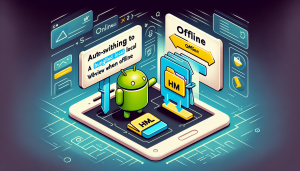



























Unlocking Offline Capability in Android WebView Apps: Implementing Automatic Local HTML Fallback with WebViewGold
Introduction: The Importance of Offline Capability in Android WebView Apps Delivering seamless user experiences is vital in today’s app-driven world. For businesses and creators converting their websites into Android apps, ensuring the app remains...
Supercharging Android WebView Apps with Offline HTML Fallback: How to Build Reliable Experiences That Work Without Internet Using WebViewGold
Introduction: The Offline Challenge in Android WebView Apps In today’s app-driven world, users expect seamless and uninterrupted experiences, no matter their internet connectivity. Android WebView apps—applications that display web content within a native shell—are...

Implementing Pull-to-Refresh in Android WebView Apps: Enhancing User Experience with WebViewGold’s Smart Cache and Offline Support
Why Pull-to-Refresh Matters in Android WebView Apps In today’s mobile-first world, users expect seamless and responsive app experiences. One simple but powerful feature that can dramatically enhance user interaction is the pull-to-refresh gesture. Widely...

Animating Your Android WebView App Splash Screen with GIFs: A Step-by-Step Guide Using WebViewGold
Introduction: Bringing Life to Android Splash Screens Splash screens are the first thing your users see when opening your app—a key moment for leaving a lasting impression. A static logo or simple color background...
Bringing Animated GIF Splash Screens to Life: Enhancing Android WebView App Onboarding with WebViewGold
Introduction to Animated GIF Splash Screens First impressions matter, especially in the fast-paced world of mobile applications. The onboarding experience sets the tone for how users perceive and interact with your app. One effective...
Pull to Refresh in Android WebView Apps: Implementing Smooth User-Initiated Updates with WebViewGold
Understanding Pull to Refresh in Android WebView Apps The popularity of mobile apps continues to soar, and having a seamless web-to-app experience is crucial for user satisfaction. One of the most intuitive features users...

Implementing Offline-First Android Apps with WebView: Leveraging Local HTML Fallbacks for Flawless User Experience
Understanding the Offline-First Approach in Android Apps In today’s fast-paced digital world, users expect seamless app experiences—regardless of their connectivity status. An offline-first strategy ensures that your Android app remains robust and user-friendly even...
Enhancing Android WebView Apps with Offline-First Local HTML Fallback Using WebViewGold’s Switch Mode
For many app developers and businesses, transforming a website into an Android app is a fast way to gain mobile presence and offer users enhanced accessibility. However, one persistent challenge is maintaining a seamless...
Implementing Offline Mode in Android WebView Apps: A Deep Dive into Local HTML Fallback Strategies Using WebViewGold
Introduction: Enhancing Android WebView Apps with Offline Mode Mobile users expect seamless experiences, even when their internet connection is unstable or unavailable. For Android WebView apps—which simply display web content within an app—network issues...
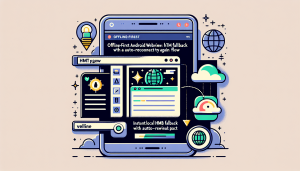
Building an Android WebView App with Robust Offline Access: Implementing Local HTML Fallback and Auto-Reconnect Using WebViewGold
Introduction: The Importance of Reliable Offline Access in WebView Apps In our ever-connected digital world, users expect mobile apps to work smoothly—even when their devices lose connectivity. When building an Android WebView app, ensuring...

Enhancing Android WebView Apps with Offline-First User Experience Using Local HTML Fallback and Smart Cache Mechanisms
Introduction: Improving User Experience in Android WebView Apps Android’s WebView is a powerful component that enables developers to turn web content into interactive mobile apps. However, one of the most common challenges is ensuring...

How to Implement an Offline-First Android WebView App with Local HTML Fallback Using WebViewGold
Why Offline-First Matters for Android Apps In today’s mobile world, users expect their favorite apps to work seamlessly—even when they lose internet connectivity. A robust offline-first approach empowers your Android app to provide a...

Creating a Smart Offline Experience in Android WebView Apps: Leveraging Local HTML Fallbacks with WebViewGold
Introduction: The Challenge of Offline Access in Android WebView Apps In today’s digital landscape, an uninterrupted user experience is crucial for the success of any mobile application. However, users often find themselves in situations...

Implementing Offline Mode in Android WebView Apps with Local HTML Fallback Using WebViewGold
In today’s mobile-first world, users expect uninterrupted access to their favorite apps even when the internet connection is unstable or unavailable. For developers converting websites into Android apps using WebView technology, this challenge can...

Enhancing Android Web Apps with Offline Fallback: Leveraging Local HTML Content in WebViewGold for Flawless User Experiences
The Importance of Offline Functionality in Android Web Apps In our always-online world, a seamless web experience is usually taken for granted. However, network interruptions and spotty connections are still common, especially for mobile...

Implementing Offline HTML Fallback in Android WebView Apps: Enhancing User Experience with Automatic Mode Switching
Introduction: The Rise of WebView Apps and the Importance of Offline Support With more users relying on mobile apps for seamless access to their favorite websites, Android WebView applications have become an essential tool...

How to Implement a Smart Offline Fallback Mode in Android WebView Apps Using WebViewGold’s Local HTML Folder Feature
Why Offline Fallback Matters for Android WebView Apps Today’s users expect mobile apps to work seamlessly, even when their devices aren’t connected to the internet. If your Android WebView app only displays a blank...

Implementing Pull-To-Refresh in Android WebView Apps: Best Practices for Website-to-App Conversions Using WebViewGold
Why Pull-To-Refresh Matters in WebView Apps When users browse content-rich applications on their mobile devices, they expect a seamless and native-like experience. One essential feature that’s become standard across many Android apps is pull-to-refresh—the...

How to Implement Offline-First Web Apps on Android Using WebViewGold’s Local HTML Fallback Mode
Understanding Offline-First Web Apps As the world becomes increasingly mobile, users expect their apps to be available and functional even when their network connection isn’t perfect. This trend has given rise to the offline-first...

Building an Android WebView App with Offline HTML Fallback: A Step-by-Step Implementation Guide Using WebViewGold
Introduction In today’s fast-paced digital landscape, businesses and content creators are seeking reliable ways to make their websites available on mobile platforms. One common approach is wrapping a website into a native Android app...

Building an Android App That Works Offline: Leveraging WebViewGold’s Local HTML Fallback for Flawless User Experience
Introduction: The Importance of Offline Functionality in Android Apps In today’s digital landscape, users expect instant access to information anytime, anywhere. Yet, there are still scenarios where internet connectivity can be unreliable or even...

How to Implement Offline Fallback with Local HTML Assets in Your Android WebView App Using WebViewGold
Introduction: Enhancing User Experience with Offline Fallbacks In today’s mobile-first world, users expect seamless access to app content, even when they are offline or facing patchy internet connections. For Android apps built using WebView,...

Implementing Offline-First Android WebView Apps: Using Local HTML Fallback for Smooth User Experience with WebViewGold
Introduction to Offline-First Android WebView Apps In today’s mobile-centric world, users expect their apps to deliver a seamless experience regardless of internet connectivity. However, web-based apps powered by Android WebView often stumble when faced...

Leveraging Android WebViewGold’s Pull To Refresh Functionality for Enhanced User Experience in Progressive Web App Conversions
In the rapidly evolving world of mobile development, Progressive Web Apps (PWAs) have become an essential solution for businesses aiming to deliver seamless web-based experiences on Android devices. However, transforming a website or PWA...

Animating Custom Splash Screens with GIF Support in Android WebView Apps Using WebViewGold
The splash screen is often your app’s first chance to engage and impress users. A static image can work perfectly fine, but what if you could add a little extra flair? Animating your splash...

Implementing Custom Offline Screens and Auto-Reconnect in Android WebView Apps Using Local HTML Fallback with WebViewGold
Why Custom Offline Screens Are Essential in Android WebView Apps In today’s connected world, users expect seamless experiences from their mobile apps. However, network interruptions and connectivity issues are still common, especially when using...

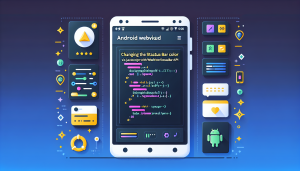
Implementing Dynamic Status Bar Color Changes in Android WebView Apps Using JavaScript and WebViewGold
Introduction In today’s mobile-first world, creating seamless user experiences across devices is a top priority for developers. One common need is to adapt the appearance of your app to match your brand or content....

Implementing a Custom Offline Fallback Experience in Android WebView Apps Using Local HTML with WebViewGold
Introduction As more businesses and content creators turn to mobile apps for better user engagement, one challenge remains universal: ensuring a smooth user experience even when the internet connection is lost. For Android apps...

Implementing Pull-to-Refresh in Android WebView Apps: Enhancing User Experience with Modern UI Patterns Using WebViewGold
Understanding Pull-to-Refresh in Android Apps Modern mobile apps are expected to deliver not just content, but a seamless and intuitive user experience. One of the most popular UI patterns that fulfills this expectation is...

Implementing Offline-First Android Apps: Leveraging WebViewGold’s Local HTML Fallback and Smart Caching for Flawless User Experience
Introduction: The Importance of Offline-First Mobile Experiences In today’s mobile-first world, users expect seamless app experiences regardless of their connectivity status. Whether they’re on a subway, traveling through a rural area, or simply dealing...

Enabling Offline Access in Android WebView Apps: Implementing Local HTML Fallback with WebViewGold
Introduction In today’s fast-paced world, mobile app users expect seamless access to content anytime and anywhere — even when offline. For developers transforming their websites into Android applications, ensuring a smooth user experience during...

How to Effortlessly Integrate Animated Splash Screens That Wait for Full WebView Content Load in Your Android App Using WebViewGold
Why Animated Splash Screens Matter in Modern Android Apps First impressions are everything—especially when it comes to apps. Animated splash screens can set the tone for your Android app, creating a polished, branded experience...

Building a Reliable Offline-First Android App: Leveraging WebViewGold’s Local HTML Fallback Switch Mode
Introduction: The Rise of Offline-First Android Apps In today’s mobile landscape, user expectations for seamless app experiences are higher than ever. Whether traveling, commuting, or simply living in areas with spotty connectivity, users demand...